Low Energy Saving Light Bulbs to Save Electricity
One of the items everyone knows about to save electricity is to install low energy light bulbs but are they any good? Here’s our review and how to get them for nearly free.
The low energy saving light bulb has been around for many years and they used to be very expensive, ugly and take forever to warm up and provide sufficient light to your rooms but the new types are better and cheaper.
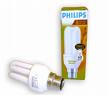 The Philips energy saving light bulbs are probably the most well known and is sold in many retailers including the high street supermarkets. Like most of these they should last for about 10 years and warm up very quickly. There are also great offers and Sainsburys is currently selling these at 50p each for 5 for 50p (so obviously buy five at a time). Because of this very low price, there is no excuse from the cost point of view not to change from the older types.
They now warm up a lot faster and it is estimated that for every light bulb of 60w that you change over should save you around £6 each year in electricity and thus producing a lot less carbon to put into the atmosphere.
The newer models are also much smaller so now are gone the times where you change the bulb and it pokes out the top of your table lamp or other lamp shade.
Lower wattage = lower carbon
On each package it will tell you what the equivalent to your old light bulbs the news ones are. The energy efficient light bulbs are called compact fluorescent bulbs because they are fluorescent like the tube lighting you find in offices and warehouses but in a smaller construction. They do not produce any heat (like standard tungsten filament lamps) and so last a lot longer. A standard bulb lasts around 1000 hours and 90% of the energy produced is lost to heat where as the CFL bulbs last around 10,000 hours and do not produce heat.
You don’t replace the same wattage on the new bulbs and the packaging shows you exactly what new bulb replaces the old and here are the guidelines:
- Old 40w – new 10w
- Old 60w – new 15w
- Old 100w – new 20w
- Old 150w – new 30w
You can of course change the new wattage numbers and produce a much brighter light if required. The government has now outlawed the sale of 100w bulbs via retail outlets although you can still purchase them wholesale.
Other thoughts on energy efficient lighting
Really there is no reason not to try to change because of the savings in hard cash but also for the environment. There are potentially issues with migraine sufferers with the way the bulbs produce the light and if you are prone to headaches you may want to try an alternative or not put them in all rooms in your house.
But try them out. Because of promotions by supermarkets (eg: Sainsbury’s 5 for 50 and Lidl 30p each) there is no cost issue any longer. There are all types of shapes and sizes to choose from to suit your needs in your house so low energy saving light bulbs are here to stay and are better for the environment.